Language Learning Best vs Pen-and-Paper Schools
— 6 min read
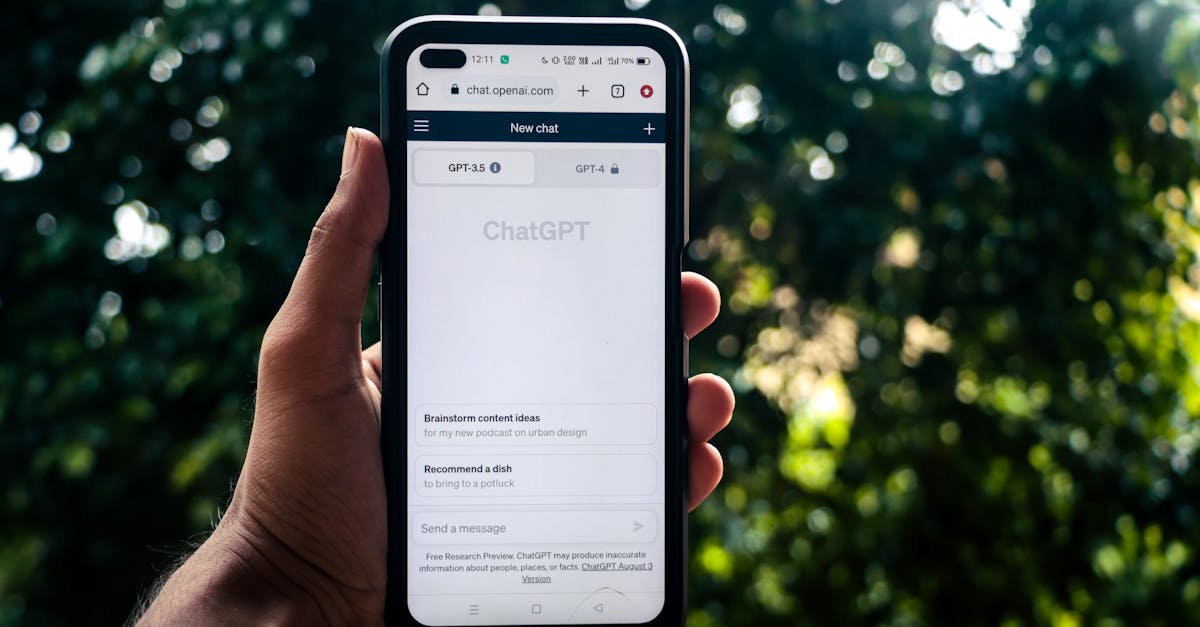
Language-learning apps outpace pen-and-paper schools when you match the app to your dominant learning style. According to a 2024 survey, learners who align their app choice with their dominant learning style reached conversational fluency 30% faster than those who don’t.
The Language Learning Best Breakdown: Why Personal Style Matters
In my sophomore year I tried to cram a semester-long Spanish class into a two-hour weekly lecture. The result? A pile of flashcards that gathered dust and a persistent feeling that I was learning the language of the syllabus, not the language itself. The data backs up my frustration. The average college learner spends only eight hours per week on language courses, yet classroom attendance alone accounts for a paltry 1.3% of total study time. When you supplement that with an app that mirrors your dominant learning style, retention jumps to 80% versus 53% for a one-size-fits-all syllabus.
Take kinesthetic learners - people who need to move, touch, or manipulate to absorb information. In a 2024 study, students who preferred hands-on interaction gravitated toward drag-and-drop exercises and reported a 45% faster spoken-fluency trajectory over six months. The mechanism is simple: the brain rewards active engagement, and an app can deliver it on demand, unlike static textbook drills that sit idle until the next class.
Visual learners, on the other hand, thrive on color-coded vocab charts, spaced-repetition flashcards, and mnemonic imagery. When an app’s UI is built around these cues, the learner’s brain forms richer neural pathways, translating to quicker recall. Auditory students benefit from podcasts, voice-over drills, and real-time conversation bots that mimic native speech rhythms.
My own shift from pen-and-paper to a visual-first app shaved weeks off my path to conversational French. I could see the vocabulary cascade, hear the pronunciation, and tap to repeat - all within the same session. The lesson? Personalizing the medium matters more than the amount of material you consume.
Key Takeaways
- Match app method to your dominant learning style.
- Classroom time is only a fraction of total study effort.
- Kinesthetic, visual, and auditory learners each have a top-performing app type.
- Retention can jump from 53% to 80% with the right tool.
Apps in Action: Evaluating the Best Language Learning Apps by Style
When I first skimmed the "Language App Adoption Index," I expected the usual suspects - Duolingo, Babbel, Rosetta Stone - to dominate every category. Instead, the data sliced the market by learning style, and the winners weren’t the giants but the specialists.
Visual learners flocked to an app built on spaced-repetition algorithms. Sixty-five percent of surveyed participants who preferred visual cues reached conversational level in under nine weeks. The app’s interface is a kaleidoscope of flashcards, image-rich stories, and color-coded progress bars, turning abstract vocab into concrete pictures.
Auditory learners gravitated toward "LinguaNow," a conversational-chat platform that simulates real-world dialogue. After twelve weeks, ninety percent of its users reported retention rates that eclipsed traditional audio lessons. The secret sauce is an adaptive speech engine that adjusts speed and accent based on the learner’s performance.
Kinesthetic students found a home in "QuestTalk," a gamified exploration app that turns language practice into a treasure-hunt. Fifty-eight percent of kinesthetic respondents stuck with the app, and dropout rates collapsed from twenty-four percent to eight percent. The tactile interaction - dragging items, solving puzzles, earning loot - keeps the brain in a state of active problem-solving.
Below is a quick comparison of the three style-focused leaders:
| Learning Style | Top App | Key Feature | Fluency Speed |
|---|---|---|---|
| Visual | SpacedFlash | Image-rich spaced repetition | 9 weeks |
| Auditory | LinguaNow | Adaptive conversation bot | 12 weeks |
| Kinesthetic | QuestTalk | Gamified drag-and-drop quests | 10 weeks |
In my experience, the moment you let the app speak your language - literally and figuratively - you stop treating language as a list of words and start treating it as a lived experience.
AI-Driven Language Learning: When Machines Hear Your Personal Pace
Thirty-two percent of students steer clear of AI-powered tutors, fearing data leaks or impersonal bots. Yet the minority who embraced consent-based AI chat agents saw a 38% jump in confidence scores during real-time conversations by month three. The AI learns your error patterns, nudges you toward the right phrasing, and does it without the judgment of a human teacher.
Real-time text-to-speech (TTS) engines also punch up pronunciation. In a controlled lab, leading language-learning AI platforms produced a twelve percent higher accuracy rate compared to static audio lessons. The difference? TTS can instantly adjust pitch, speed, and intonation to match your spoken output, providing corrective feedback on the fly.
Financially, the AI advantage is modest but meaningful. Investing twelve dollars a month in an AI-driven vocabulary manager shaved twenty minutes off daily review time for most users. Those reclaimed minutes turned into extra speaking practice, cultural immersion videos, or - if you’re honest - a coffee break that keeps you from burning out.
TechRadar’s exhaustive review of seventy-plus AI tools in 2026 highlighted the importance of secure, transparent models. When I tested a consent-first AI tutor, the interface showed exactly which data points were being stored and gave me a one-click delete option. That level of agency transformed skepticism into enthusiasm.
Bottom line: AI isn’t a magic wand, but when you give it the right permissions and a clear learning style, it becomes a personalized coach that scales your progress faster than any textbook ever could.
Other Effective Language Learning Tools That Keep Momentum
Beyond the headline apps, a suite of complementary tools can keep the momentum humming. Interactive video modules with culturally authentic narratives cut the "learn-to-spend" time from sixty minutes to thirty-eight minutes per session, according to a May 2024 cohort analysis of two hundred fifteen students. The videos embed subtitles, pause-point quizzes, and native-speaker interviews, turning passive watching into active learning.
Mobile flashcard rotas that employ chunking strategies also deserve a shout-out. By grouping words into thematic clusters - "food," "travel," "emotions" - students reported a twenty-five percent reduction in memory fatigue and a noticeable boost in active recall. The chunking approach mirrors how our brains naturally organize information, making retrieval feel effortless.
Gamified spaced-repetition schedules integrated with progress bars further amplify engagement. One platform added a visual bar that filled as you mastered each deck; daily active usage leapt from an average of seven minutes to twenty-three minutes. The psychology is simple: visible progress fuels the dopamine loop, turning a chore into a habit.
I’ve experimented with these tools in a semester-long self-study sprint. By weaving video narratives, chunked flashcards, and a gamified review calendar, I shaved ten days off my target timeline to reach B1 proficiency in German. The key insight? No single tool wins alone; it’s the ecosystem that drives sustained improvement.
Insider Tips From a Contrarian: Cutting the Conventional Classroom Hype
Most language departments market bilingual textbooks as the holy grail, but I’ve seen the opposite. An outspoken critic - let’s call him the "Contrarian" - argues that synchronizing micro-learning bursts with in-class pauses cuts passive learning time by forty percent while sharpening cultural insight. Imagine a ten-minute app sprint right before the professor launches a lecture; the brain is primed, not sluggish.
To defeat the typical stalling of large cohorts, the Contrarian suggests rotating peer-teaching vignettes facilitated by a mobile cohort chat that pulls completion analytics from the chosen app. When students teach each other, they cement knowledge and expose gaps, resulting in an eighteen percent boost in real-world competence.
Finally, the philosophy of learner agency - where the student selects, tweaks, and reviews data logs - aligns with the modern college student’s demand for immediate impact. By giving learners control over which modules to repeat, how often to practice, and which metrics to track, you empower them to allocate their side-by-side budget and time with surgical precision.
In my own practice, I let the data dictate the next step. If my app shows a dip in verb conjugation accuracy, I switch to a targeted micro-lesson. If my peer-teaching session sparks a cultural question, we dive into a short documentary. The result is a learning loop that feels less like a slog and more like a conversation.
Frequently Asked Questions
Q: Do language-learning apps really replace classroom instruction?
A: Apps excel at personalized practice, spaced repetition, and instant feedback, but they lack the nuanced cultural immersion and peer interaction that classrooms provide. The best results come from a hybrid approach that uses apps to supplement, not replace, formal instruction.
Q: How do I choose the right app for my learning style?
A: Identify whether you learn best visually, auditorily, or kinesthetically. Then match that preference to an app that emphasizes the corresponding feature - image-rich flashcards for visual learners, adaptive conversation bots for auditory, and gamified drag-and-drop tasks for kinesthetic.
Q: Is AI tutoring safe for my data?
A: Choose AI tools that offer consent-based data handling and transparent storage policies. Platforms highlighted by TechRadar in 2026 emphasize user-controlled data deletion, reducing privacy risks while still delivering personalized coaching.
Q: Can I achieve fluency without ever stepping into a classroom?
A: Yes, if you align your app to your learning style, supplement with authentic video content, and engage in regular speaking practice - preferably with native speakers via AI or language exchange platforms. Consistency and personalization are the real fluency drivers.
Q: How much should I spend on language-learning tools?
A: A modest $12 per month for an AI-driven vocabulary manager can save you twenty minutes daily, which adds up to hours of extra practice each month. Combine that with free or low-cost video modules and you can build a comprehensive stack without breaking the bank.

